A resource for understanding cr…
Card Cloning Software Free: Is It Safe?
This guide is for individuals concerned about credit card security and seeks to clarify the dangers of free cloning software.

Exploring risks of free card cloning software and its implications.
Navigate
- Understanding Card Cloning Software
- Risks of Using Free Card Cloning Software
- How Free Cloning Software Works
- Signs of Cloned Cards and Fraudulent Activity
- Safer Alternatives to Free Cloning Software
- Legal Consequences of Card Cloning
- Preventing Card Cloning and Fraud
- Frequently Asked Questions About Card Cloning Software
- Card Cloning Software: Risks and Prevention Checklist
- Common Mistakes and Misconceptions
- Conclusions
- Links and references
Free card cloning software poses significant risks, including legal consequences and potential malware threats. Users may face severe penalties for possession or use, including imprisonment of up to five years for creating false instruments (1). Additionally, cybersecurity experts warn that such software can compromise personal information and financial security (2). Always consider the implications before engaging with these tools.
Understanding Card Cloning Software
Card cloning software refers to applications or tools designed to replicate the data stored on credit or debit cards, allowing unauthorised users to create counterfeit cards. This type of software is often associated with credit card fraud and skimming, where criminals exploit vulnerabilities in payment systems to steal card information. The technology behind card cloning typically involves reading the magnetic stripe or chip data of a legitimate card, which can then be encoded onto a blank card. This process can be executed using devices like card encoders and point-of-sale (POS) readers, as highlighted by a recent arrest involving such equipment (1).
The legal implications of using card cloning software are severe. In many jurisdictions, the possession of devices or software intended for creating cloned cards is a criminal offence. For instance, Section 473A of the Penal Code 1871 stipulates that individuals found with machines designed for making false instruments may face imprisonment for up to five years (1). Moreover, fraudulent activities related to credit cards can lead to significant monetary penalties and further legal repercussions, with fraud losses in the U.S. reaching $14.32 billion in 2023 alone (3).
It is essential to understand that even attempting to use card cloning software, such as credit card generators, is considered a fraudulent act, regardless of the outcome (4). Consequently, engagement with such software poses not only risks of data theft and financial loss but also substantial legal consequences that could impact an individual’s future. Users are advised to stay informed about these risks and to consider legitimate software options that comply with legal standards. Monitoring bank statements and reporting suspicious activities promptly can help mitigate the impact of potential fraud (5).
Risks of Using Free Card Cloning Software
Utilising free card cloning software presents multiple security risks, primarily related to malware infections and data theft. Cybersecurity reports indicate that groups like LAPSUS$ have been known to embed malware within such software, significantly jeopardising user privacy and financial security (2). This malware can compromise sensitive information, leading to unauthorised access to bank accounts and other personal data. In 2023, cases of identity theft linked to skimmed credit card data reached 416,582 in the U.S., highlighting the severe implications of using untrustworthy software (6).
The rise in credit card fraud is alarming, with a 77% increase in the number of cards impacted by skimming reported by FICO in the first half of 2023, totalling 120,000 cards (7). Such statistics underscore the prevalence of fraud linked to cloning software. Victims of these scams often face substantial financial losses, which amounted to $14.32 billion across the U.S. in 2023 alone (3). This figure illustrates the magnitude of the impact that card cloning and skimming can have on individuals and the economy.
Legal consequences for using card cloning software can also be severe. The possession of cloned payment cards or equipment for creating them can lead to imprisonment for up to five years, as per Section 473A of the Penal Code 1871 (1). Engaging in fraudulent activities, even if unsuccessful, is treated as a criminal offence (4). Furthermore, recent legislation in Wyoming criminalises the use of falsified credit cards, enforcing penalties that may include imprisonment (8).
Given these risks, it is crucial for individuals to refrain from using free card cloning software and to seek legitimate alternatives. Regular monitoring of bank statements and immediate reporting of suspicious activities can help mitigate potential fraud risks and protect personal financial information (5).
How Free Cloning Software Works
Free cloning software operates by duplicating the data encoded on magnetic stripes or chips of credit or debit cards. This process typically involves reading the sensitive information from an original card using devices such as card encoders or point-of-sale (POS) readers. Once the data is captured, it can be written onto a blank card, effectively creating a counterfeit version. This method is often exploited by criminals to gain unauthorised access to funds or make fraudulent purchases.
The technical process begins with the installation of cloning software on a computer or a mobile device. The user then connects a card reader to access the original card’s data. This data includes the card number, expiration date, and security code, which are essential for transactions. After capturing this information, the software encodes it onto a blank card, which can be used for fraudulent activities. This method is not only illegal but also poses significant risks to user privacy and financial security, as evidenced by the involvement of malware in certain cloning applications (2).
Examples of popular free cloning tools include various software programmes available on the dark web, which are designed to facilitate card duplication. However, the use of such tools is fraught with danger, including the risk of legal repercussions and exposure to malware. In 2023, the LAPSUS$ group was reported to have embedded malware into card cloning software, which can lead to serious security breaches for users (2).
It is crucial to recognise that the possession and use of such cloning software can lead to severe legal consequences. Individuals found with equipment or software intended for creating cloned cards may face imprisonment for up to five years under Section 473A of the Penal Code 1871 (1). Moreover, engaging in card cloning activities, even unsuccessfully, is treated as a criminal offence (4). Thus, while free cloning software may appear accessible and tempting, the associated risks and legal implications far outweigh any potential benefits.
Signs of Cloned Cards and Fraudulent Activity
Detecting cloned cards and fraudulent activity early is crucial for mitigating financial losses. Common signs that a credit or debit card may have been cloned include unexpected charges on bank statements, particularly small transactions that may not immediately raise suspicion. Monitoring bank statements regularly can help identify anomalies; users should look for unfamiliar merchant names or transactions they do not recognise. It is advisable to review statements at least once a month, but more frequent checks can enhance fraud detection.
In 2023, the U.S. experienced substantial fraud losses amounting to $14.32 billion, emphasising the severity of the issue and the importance of vigilance (3). Furthermore, FICO reported a staggering 77% increase in the number of cards affected by skimming, with 120,000 cards compromised in just the first half of the year (7). These statistics underscore the prevalence of cloned cards and the need for proactive measures.
Additional signs of potential fraud include receiving alerts for transactions made outside of one’s usual spending patterns or notifications about changes to account details that were not initiated by the cardholder. If a cardholder notices any of these signs, they should immediately contact their bank to report the suspicious activity. Prompt reporting is essential, as the Fair Credit Billing Act limits liability for fraudulent charges to $50 if the theft is reported quickly (5).
To further mitigate risks, individuals should consider setting up transaction alerts through their banking apps, enabling real-time notifications for any charges made to their accounts. This proactive approach can help detect and address fraudulent activity before it escalates. Regularly updating passwords and ensuring that personal information is safeguarded can also assist in preventing card cloning and related fraud.
Safer Alternatives to Free Cloning Software
For individuals concerned about credit card fraud and skimming, exploring legitimate software options is essential. Many reputable software solutions prioritise security and compliance with legal standards. One example is card management apps that offer features such as transaction monitoring, spending alerts, and fraud detection. These applications can help users maintain oversight of their financial activities and quickly identify any suspicious transactions.
When selecting software, look for options that provide robust encryption and multi-factor authentication. These features enhance safety by ensuring that only authorised users can access sensitive information and perform transactions. Additionally, reputable software providers often have dedicated security teams that continuously monitor for vulnerabilities and potential threats, thus reducing the risk of malware infections. In contrast, free cloning software often lacks these critical security measures, exposing users to significant risks, including data theft and legal consequences (2).
The importance of utilising reputable sources cannot be overstated. Many free cloning tools may appear accessible but can lead to disastrous outcomes, such as identity theft or financial loss. Cybersecurity experts recommend that users verify the credibility of software providers before downloading or purchasing any applications. This can involve checking reviews, looking for certifications, and ensuring that the software is regularly updated to address emerging threats. Engaging with legitimate software not only protects personal data but also supports ethical practices in the digital landscape.
In conclusion, opting for legitimate software solutions that prioritise security features is crucial for safeguarding against credit card fraud. By selecting reputable sources and utilising applications designed for safe banking, individuals can significantly mitigate the risks associated with free cloning software and enhance their overall financial security.
Legal Consequences of Card Cloning
Card cloning is a serious offence with significant legal ramifications across various jurisdictions. In many countries, the possession of cloned payment cards or the equipment used to create them can lead to severe penalties. For instance, under Section 473A of the Penal Code 1871, individuals found with machines designed for making false instruments may face imprisonment for up to five years (1). Additionally, in 2023, legislation in Wyoming criminalised the use of falsified credit cards, with penalties that may include imprisonment as well (8).
Engaging in credit card fraud, including the use of cloning software, is treated as a criminal activity even if the attempt is unsuccessful (4). This underscores the risk associated with free card cloning software, as users may not only face prosecution but also financial penalties. In 2023, fraud losses in the U.S. reached an alarming $14.32 billion, illustrating the scale of the problem and the impact of such illegal activities on the economy (3).
Victims of card cloning face substantial financial losses, which can lead to long-term consequences. In the first half of 2023, FICO reported a 77% increase in the number of cards affected by skimming, totalling 120,000 compromised cards (7). The distress caused to victims often extends beyond financial loss, affecting their credit scores and leading to prolonged recovery processes.
The legal landscape surrounding card cloning is complex, and the consequences can vary significantly by location. Criminal charges may include not only possession of cloned cards but also broader charges related to identity theft and fraud. In many jurisdictions, the impact on victims is taken seriously, with laws designed to protect individuals from financial harm and to deter potential offenders.
Consequently, individuals are strongly advised to refrain from using cloning software and to stay informed about the legal implications of such actions. Engaging with legitimate software options that comply with legal standards is essential to avoid severe legal consequences and to protect personal financial information.
Preventing Card Cloning and Fraud
Protecting oneself from card cloning and fraud requires a multifaceted approach. Regular monitoring of bank statements is essential; individuals should check for any unfamiliar transactions at least monthly, although more frequent checks can enhance fraud detection. In 2023, the U.S. saw fraud losses reach $14.32 billion, highlighting the importance of vigilance (3). Setting up transaction alerts through banking apps can provide real-time notifications of charges, allowing for immediate action if suspicious activity is detected.
Utilising technology plays a significant role in fraud prevention. For instance, advanced payment methods such as EMV chips and contactless payments offer enhanced security features that make it more difficult for criminals to clone cards. However, users must remain cautious; reports indicate that deep insert skimmers, which are challenging to detect, have increased in prevalence (9). Employing security measures such as two-factor authentication and strong, unique passwords can further safeguard online transactions.
When conducting online transactions, it is advisable to use secure websites, indicated by "https://" in the URL and the presence of a padlock icon. Avoiding public Wi-Fi networks for financial transactions can also mitigate risks, as these networks can be susceptible to data theft. Additionally, using reputable security software that is regularly updated can protect devices from malware, which has been found embedded in certain cloning software (2).
Individuals should be cautious about sharing personal information and ensure that any software used for financial transactions comes from legitimate sources. The use of cloning tools is illegal and carries severe penalties; for example, possessing machines designed for creating false instruments can lead to imprisonment for up to five years (1). Understanding the legal consequences of card cloning can deter individuals from engaging in risky behaviours.
Overall, being proactive in monitoring financial activities, leveraging technology for secure transactions, and being aware of the legal implications of card cloning are crucial steps in preventing credit card fraud and skimming.
Frequently Asked Questions About Card Cloning Software
Concerns about card cloning software often stem from misunderstandings regarding its legality and implications. One common question is whether using such software is legal. Engaging with card cloning software, even if unsuccessful, is considered a criminal offence in many jurisdictions (4). Individuals found in possession of equipment designed for creating cloned cards face serious legal consequences, including imprisonment for up to five years under specific laws (1).
Another frequent concern is the risk of malware. Many free cloning tools come with embedded malware that can compromise user privacy and financial security (2). Cybersecurity experts strongly advise against using these tools, as they not only expose users to legal risks but also to significant data theft and fraud. For instance, in 2023, identity theft cases in the U.S. were facilitated by skimmed credit card data, with 416,582 incidents reported (6).
Individuals may also wonder about the financial implications of card cloning. Victims of card cloning frequently face substantial financial losses. In the first half of 2023 alone, fraud losses in the U.S. reached $14.32 billion (3). This financial burden can extend beyond immediate losses, affecting victims' credit scores and leading to prolonged recovery processes.
Moreover, the Fair Credit Billing Act limits liability for fraudulent charges to $50, provided the theft is reported promptly (5). This highlights the importance of monitoring bank statements regularly to catch any unauthorised transactions early. Setting up transaction alerts can also enhance security by providing real-time notifications of charges, which is particularly useful in detecting fraud swiftly.
In summary, concerns about card cloning software are valid, given the legal, financial, and security risks associated with its use. Engaging with legitimate software options that prioritise security is essential to mitigate these risks and protect personal financial information.
Card Cloning Software: Risks and Prevention Checklist
- Risk Factor
- Free Cloning Software
- Details
- High risk of malware and data theft [2]
- Legal Consequences
- Possession can lead to 5 years imprisonment [1]
- Prevention Tips
- Use legitimate software with encryption
- Risk Factor
- Card Skimming
- Details
- 77% increase in impacted cards in 2023 [7]
- Legal Consequences
- Fraud losses reached $14.32 billion [3]
- Prevention Tips
- Set up transaction alerts for monitoring
- Risk Factor
- Identity Theft
- Details
- 416,582 cases linked to skimmed data in 2023 [6]
- Legal Consequences
- Legal penalties for using falsified cards [8]
- Prevention Tips
- Regularly check bank statements for unfamiliar transactions
- Risk Factor
- Malware Risks
- Details
- Embedded malware in free tools [2]
- Legal Consequences
- Engaging in fraud is a criminal offence [4]
- Prevention Tips
- Update security software regularly to protect devices
Common Mistakes and Misconceptions
Believing Free Cloning Software is Safe to Use
Many individuals assume that free cloning software poses no real threat, often underestimating the potential legal and financial repercussions. This misconception can lead to serious consequences, as engaging with such software is illegal in many jurisdictions, with penalties including imprisonment for up to five years (1). To avoid these risks, it is crucial to understand that legitimate software solutions exist, which prioritise security and compliance with the law.
Ignoring the Signs of Card Cloning
Another common error is not recognising the signs of card cloning, such as unfamiliar charges or unusual account activity. A significant increase in fraud cases, with 416,582 incidents of identity theft linked to skimmed data reported in 2023, highlights the importance of vigilance (6). Regular monitoring of financial statements and setting up transaction alerts can help individuals quickly detect suspicious transactions and take appropriate action.
Underestimating the Legal Consequences
Many users of cloning software fail to realise the severity of legal consequences associated with their actions. Possessing equipment designed for creating cloned cards is a criminal offence, and individuals can face substantial penalties, including fines and imprisonment (1). Understanding the legal framework surrounding card cloning can deter individuals from engaging in such illegal activities and encourage more responsible financial behaviours.
Overlooking Safer Alternatives
Individuals often overlook safer alternatives to free cloning software, assuming that the cost of legitimate software is prohibitive. However, the potential financial losses due to fraud, which reached $14.32 billion in the U.S. in 2023, can far exceed the initial investment in secure software (3). Exploring reputable software options that offer robust security features can significantly reduce risks associated with card cloning and fraud.
Assuming Fraud Losses are Insignificant
Some may believe that the financial impact of credit card fraud is manageable or insignificant. However, fraud losses can have lasting consequences, including damage to credit scores and prolonged recovery processes. In 2023, a staggering 120,000 cards were reported compromised due to skimming, illustrating the pervasive nature of the issue (7). Awareness of these statistics can motivate individuals to adopt proactive measures to protect their financial information.
Conclusions
Free card cloning software poses significant legal and financial risks, including potential imprisonment for up to five years (1).
Fraud losses in the U.S. reached $14.32 billion in 2023, underscoring the severe impact of credit card fraud (3).
Victims of card cloning frequently experience long-term financial consequences, including damage to credit scores and extended recovery processes.
Regular monitoring of bank statements and setting up transaction alerts are essential practices for early detection of fraudulent activities.
Engaging with legitimate software options that prioritise security is crucial to avoid legal repercussions and protect personal financial information.
To further understand the legal implications of credit card fraud, consider exploring Credit Card Fraud Jail Time: What You Need to Know.
Read next
 RFID Card Cloning: Understanding the RisksExplore the risks of RFID card cloning and learn effective strategies to protect your financial information from potential fraud.
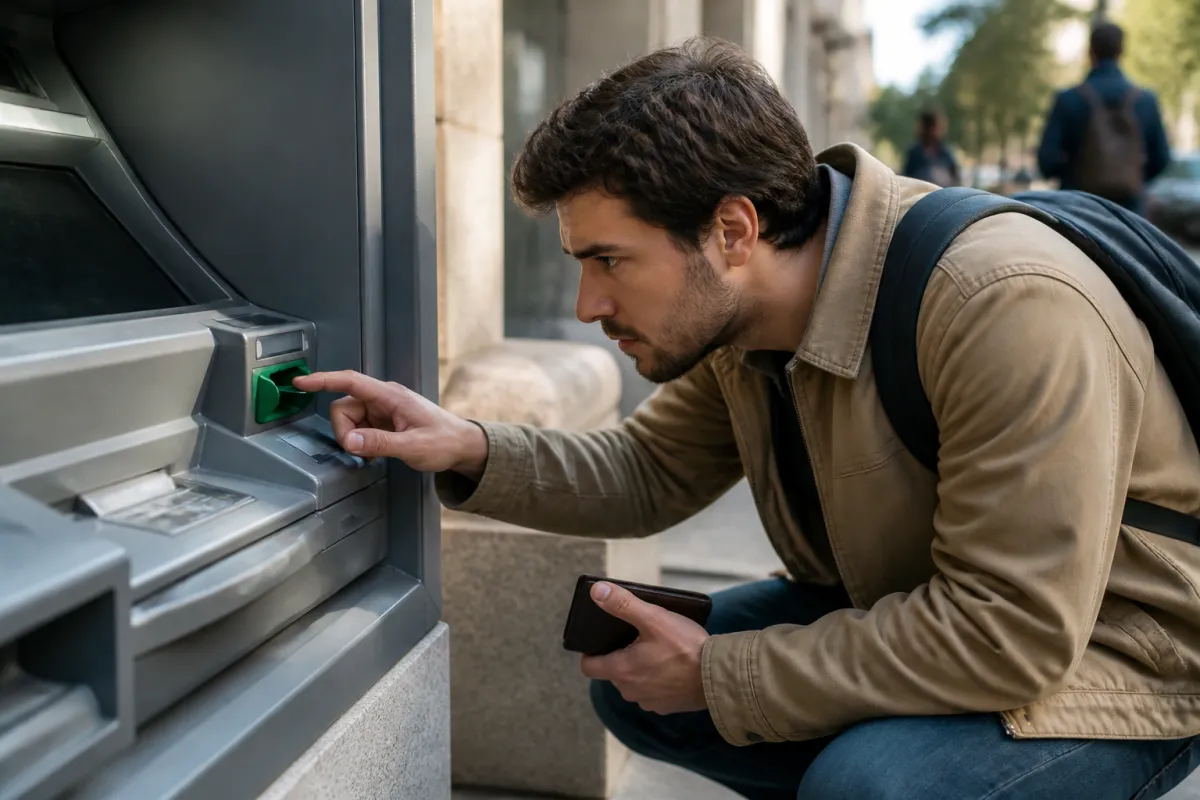 Card Skimmer on ATM: Detection TipsLearn how to detect card skimmers on ATMs with practical tips to protect your financial information from fraud.
 ATM Skimmer Pilot Travel Center: A GuideDiscover how to protect yourself from ATM skimmers at Pilot Travel Centers, ensuring secure transactions while on the road.