A resource for understanding cr…
ATM Skimmer Pilot Travel Center: A Guide
This guide is for travelers seeking practical tips to avoid credit card fraud at Pilot Travel Centers.
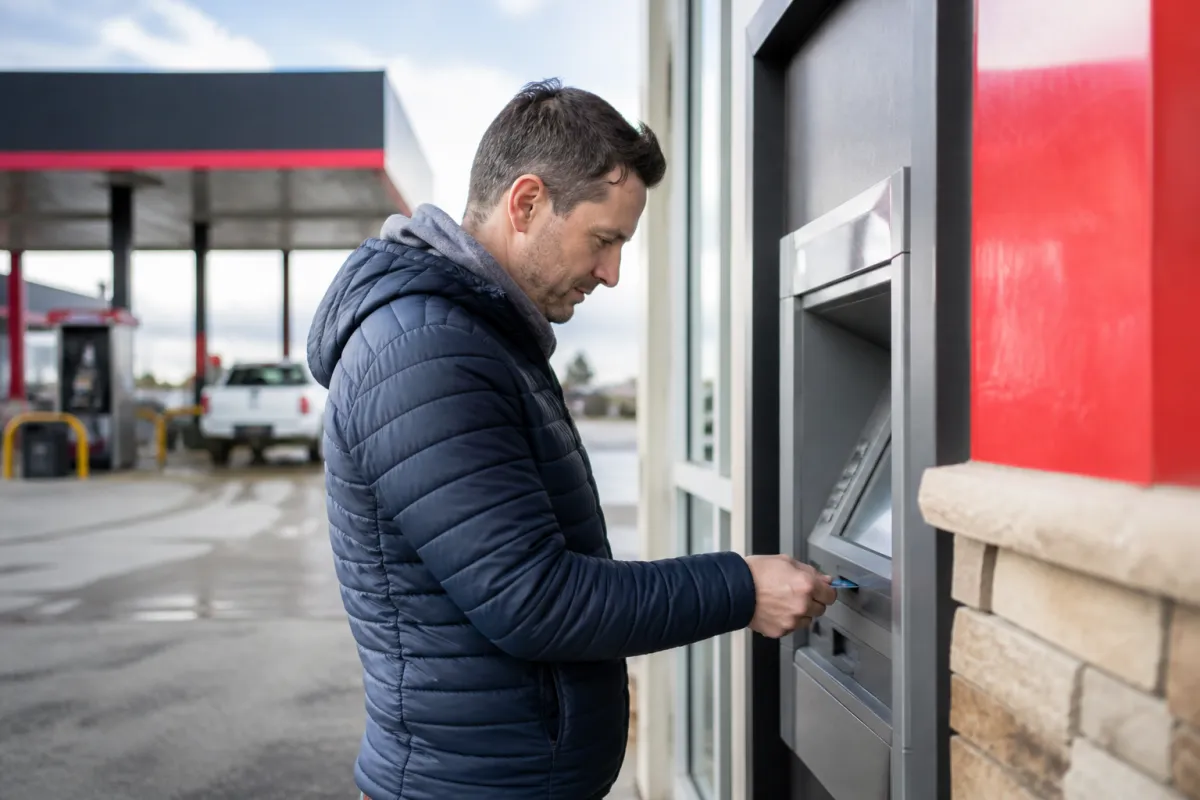
Learn how to stay safe from ATM skimmers on the road.
Navigate
- Understanding ATM Skimming
- Identifying Skimming Devices at Pilot Travel Centers
- Preventive Measures for Travelers
- Reporting Suspicious Activity
- Legal Consequences of Skimming
- Recent Incidents at Pilot Travel Centers
- Technological Advances in ATM Security
- Resources for Further Information
- ATM Skimming Prevention Checklist for Travelers
- Common Mistakes and Misconceptions
- Conclusions
- Links and references
ATM skimmers at Pilot Travel Centers can compromise card data and PINs, posing a significant risk to consumers. To protect against these threats, travellers should: check for signs of tampering on ATMs, report any suspicious devices to law enforcement, and consider using contactless payment methods to avoid magnetic stripe usage. In 2023, a 109% increase in card skimming at bank-owned ATMs was reported, highlighting the need for vigilance (1).
Understanding ATM Skimming
ATM skimming refers to the illicit practice of using hidden devices, known as skimmers, to capture card data and PINs from unsuspecting users at ATMs. These devices can be attached to the card reader or keypad, often remaining undetected while they record sensitive information. The impact on users can be severe, leading to unauthorized transactions and potential financial loss. In the first half of 2023, there was a 77% increase in the number of compromised cards compared to the same period in 2022, affecting approximately 120,000 cards (2).
Skimming devices operate by duplicating the magnetic stripe data from a card and capturing the PIN entered by the user. Criminals often attach these devices to ATMs and gas station pumps, exploiting their locations and the trust users place in these financial interfaces (3). The technology behind skimmers has advanced, with some devices being as thin as 0.68 millimetres, making them increasingly difficult to detect (4). Recent reports indicate a notable rise in deep insert skimmers, further complicating detection efforts for consumers (4).
Statistics reveal a concerning trend in skimming incidents. In the first half of 2023, a 109% increase in card skimming at bank-owned ATMs was reported (1). Additionally, the average number of cards affected per compromise increased by 48% during the same period (2). These figures highlight the growing threat of ATM skimming, particularly at bank-owned locations, which have become primary targets for criminals (1).
To mitigate the risks associated with ATM skimming, it is crucial for users to remain vigilant. Signs of tampering, such as loose or damaged card readers, should be closely inspected (5). If a skimmer is suspected, reporting it to local authorities and the card issuer's fraud department immediately is recommended (6).
Identifying Skimming Devices at Pilot Travel Centers
Detecting skimming devices at Pilot Travel Centers requires vigilance and a keen eye for detail. Common signs of skimming devices include loose or damaged card readers, unusual weight in the card slot, or mismatched colours between the card reader and the ATM or pump casing. Users should also be wary of any additional attachments on the card reader or keypad, as these could indicate tampering. In 2025, skimmers were discovered on four pumps at a Pilot Travel Center in Aurora, Colorado, indicating that such devices can be present in various locations (7).
To inspect ATMs and gas pumps effectively, approach the device with caution. Start by examining the card reader for any irregularities. If the reader appears loose or can be easily pulled away from the machine, it may have been tampered with. Check the keypad for any signs of overlay or additional components that could capture PINs. It is essential to look for any abnormal features, such as a card slot that feels heavier than usual, which can indicate a hidden skimmer inside (5). When using an ATM, cover the keypad while entering the PIN to reduce the risk of shoulder surfing, which is when criminals observe PIN entry from a distance.
If a skimmer is suspected, it is crucial to report it to local law enforcement and the fraud department of the card issuer immediately (6). This action not only helps protect personal information but also contributes to broader community vigilance against credit card fraud. Understanding the recent technological advances in skimmer devices, which can be as thin as 0.68 millimetres, is vital for effective detection (4). Being informed and observant can significantly reduce the risk of falling victim to ATM skimming at Pilot Travel Centers.
Preventive Measures for Travelers
To enhance security while using ATMs, travellers should adopt several best practices. First, using credit cards equipped with chip technology is highly recommended. Chip cards generate a unique transaction code for each purchase, making it significantly more difficult for criminals to duplicate card information compared to traditional magnetic stripe cards. This is particularly relevant given the recent 109% increase in card skimming incidents at bank-owned ATMs reported in the first half of 2023 (1).
Monitoring bank statements regularly is crucial for identifying any unauthorized transactions. The Electronic Funds Transfer Act (EFTA) limits a consumer's liability for unauthorized transactions to $50 if reported within two business days (3). Prompt reporting can significantly mitigate potential losses. Travellers should check their statements for unfamiliar transactions and ensure they report any discrepancies to their financial institution immediately.
When using ATMs, it is vital to remain vigilant. Look for signs of tampering, such as loose or damaged card readers and unusual weight in the card slot. In February 2023, a notable increase in reports of deep insert skimmers was observed, indicating a shift towards more sophisticated skimming technology that is harder to detect (4). If any suspicious devices are found, they should be reported to local authorities and the card issuer's fraud department immediately (6).
Additionally, consider using contactless payment methods, such as Apple Pay, which can help protect against skimming by avoiding the use of magnetic stripes altogether (5). This method not only enhances security but also offers convenience for the user. By implementing these preventive measures, travellers can significantly reduce the risk of becoming victims of credit card fraud at ATMs, including those located at Pilot Travel Centers.
Reporting Suspicious Activity
Reporting suspected skimming devices at Pilot Travel Centers is essential for maintaining ATM security and protecting the broader community. If a skimmer is suspected, immediate action should be taken. The first step is to report the device to local law enforcement agencies. This can typically be done by calling the non-emergency police line or visiting the nearest police station. Additionally, contacting the fraud department of the card issuer is crucial, as they can take necessary actions to protect the affected accounts and investigate the incident further (6).
Community vigilance plays a significant role in combating credit card fraud. When individuals stay alert and report suspicious activity, they contribute to a collective effort to thwart criminals. In recent times, there has been a 77% increase in the number of compromised cards in the first half of 2023 compared to the previous year, affecting approximately 120,000 cards (2). This alarming trend highlights the importance of quick reporting and community awareness to prevent further incidents.
Consumers should remain observant while using ATMs and gas station pumps. Signs of tampering, such as loose or damaged card readers, should be reported immediately. In February 2023, a notable increase in deep insert skimmers was reported, making detection more challenging for users (4). Therefore, if anything appears unusual, it is vital to act promptly.
To assist in reporting, individuals can gather specific details about the suspected device, including its appearance and location. This information can be invaluable for local authorities when investigating the incident. Engaging in community discussions about recent incidents or sharing information about potential threats can enhance awareness and prevention efforts. By working together, communities can create a safer environment against the risks posed by ATM skimming at Pilot Travel Centers and beyond.
Legal Consequences of Skimming
The legal ramifications for individuals involved in ATM skimming can be severe, encompassing various criminal charges and significant penalties. Skimming is primarily regarded as a form of credit card fraud, which is a felony in many jurisdictions. Depending on the scale of the operation and the amount of money involved, penalties can range from fines to imprisonment. For instance, in some states, individuals convicted of credit card fraud may face up to 10 years in prison, particularly if the crime involved substantial financial loss or multiple victims.
Recent cases have highlighted the growing trend of skimming incidents. In 2025, skimmers were discovered on four pumps at a Pilot Travel Center in Aurora, Colorado, compromising cards used within a specific timeframe. This incident underscores the potential for widespread financial harm to consumers and the legal consequences for those operating such devices (7). The rise in skimming incidents, with a reported 109% increase in card skimming at bank-owned ATMs in the first half of 2023, indicates that law enforcement agencies are intensifying their focus on these crimes, leading to more arrests and prosecutions (1).
The penalties for skimming can also include restitution for victims, which may require the offender to repay any fraudulent transactions. Under the Electronic Funds Transfer Act (EFTA), consumers' liability for unauthorized transactions is limited to $50 if reported within two business days, which may be considered during sentencing (3). However, if offenders are caught on the premises or with the equipment, they may face additional charges related to possession of criminal tools or intent to defraud.
Community vigilance and reporting of suspicious activity play a crucial role in combating skimming. If a skimmer is detected, it is essential to report it to local law enforcement and the card issuer's fraud department immediately (6). This proactive approach not only helps in the swift identification of criminals but also aids in the prevention of further incidents, thereby reinforcing the legal consequences faced by those engaged in skimming activities.
Recent Incidents at Pilot Travel Centers
Recent incidents of ATM skimming at Pilot Travel Centers have raised significant concerns regarding the security of these locations. In 2025, skimmers were found on four fuel pumps at a Pilot Travel Center in Aurora, Colorado, compromising cards used between May 25 and May 31. This incident is part of a broader trend, as there has been a staggering 109% year-over-year increase in card skimming at bank-owned ATMs reported in the first half of 2023, affecting approximately 120,000 cards (1) (2). The technology used in these skimming devices has evolved, with reports indicating that deep insert skimmers are becoming more common, making detection increasingly difficult for consumers (4).
Law enforcement agencies have been actively responding to these incidents, with increased scrutiny on locations like Pilot Travel Centers. The rise in skimming incidents has prompted local authorities to enhance their surveillance and investigative efforts. In cases where skimmers are discovered, immediate collaboration with financial institutions is vital to mitigate consumer losses and initiate investigations into the criminals responsible (6). Community vigilance has proven essential, as the average number of cards affected per compromise has increased by 48% in the same period, highlighting the urgency of addressing this issue (2).
Ongoing investigations into these incidents often focus on the networks behind the skimming operations. Criminals typically attach skimming devices to ATMs and gas station pumps, capturing card data and PINs without detection (3). Local authorities encourage consumers to report any suspicious activity or signs of tampering immediately, contributing to the efforts to combat this pervasive crime (6). The situation remains fluid, and continued awareness and prompt reporting by the public are crucial in the fight against credit card fraud at Pilot Travel Centers and beyond.
Technological Advances in ATM Security
Recent advancements in ATM security technology have been pivotal in combating the rising threat of card skimming. One notable approach is the implementation of biometric authentication, which utilises unique physical characteristics, such as fingerprints or facial recognition, to verify users. This technology significantly enhances security by ensuring that only authorised individuals can access their accounts, thus reducing the likelihood of unauthorised transactions. Financial institutions are increasingly investing in such systems, recognising that traditional methods, like PINs and magnetic stripes, are becoming more vulnerable to sophisticated skimming techniques.
In addition to biometric solutions, chip technology has gained traction as a robust defence against skimming. Unlike magnetic stripe cards, which can be easily cloned, EMV chip cards generate a unique transaction code for each purchase, making it exceedingly difficult for criminals to replicate card information. This method has been particularly effective in regions where chip technology is widely adopted, contributing to a decline in fraudulent transactions. For instance, the transition to chip cards has been linked to a 48% increase in the average number of cards affected per compromise in the first half of 2023, highlighting the need for ongoing improvements in ATM security measures (2).
Moreover, contactless payment methods, such as Apple Pay, are emerging as a viable alternative to traditional ATM transactions. By enabling transactions without the need for physical card swipes, these methods minimise the risk of skimming entirely, as they do not rely on magnetic stripes. This shift in consumer behaviour towards contactless payments has been positively correlated with a reduction in skimming incidents, further emphasising the importance of adopting new technologies in fraud prevention (5).
Successful implementations of these technologies are already visible. Several banks have reported a decrease in skimming incidents following the installation of biometric readers and chip-enabled ATMs. For example, in regions where deep insert skimmers have become prevalent, the introduction of biometric authentication systems has made it significantly more challenging for criminals to exploit vulnerabilities (4). As the landscape of ATM security continues to evolve, the integration of advanced technologies will be crucial in safeguarding consumers from the threats posed by card skimming.
Resources for Further Information
Accessing reliable resources for understanding fraud prevention is essential for consumers concerned about ATM security. Various organisations and websites provide valuable information on credit card fraud and skimming. The Federal Trade Commission (FTC) offers a comprehensive guide on consumer protection, including steps to take if one falls victim to fraud. Their website can be found at FTC.gov. Additionally, the Consumer Financial Protection Bureau (CFPB) provides resources related to financial fraud and consumer rights, which can be accessed at ConsumerFinance.gov.
Local law enforcement agencies often have dedicated units for financial crimes and can provide insights into recent trends in ATM skimming within specific areas. Many police departments maintain websites with information on how to report suspicious activity and details on local scams. Engaging with community safety initiatives can also be beneficial, as they often share educational materials regarding fraud prevention.
For individuals seeking to monitor their card security, several apps are available that can help track transactions and alert users of suspicious activities. Services like Credit Karma and Mint offer features that allow users to monitor their credit scores and transactions, thereby enabling early detection of fraudulent activity. Furthermore, many banks offer mobile apps with real-time transaction notifications, which can be instrumental in identifying unauthorized transactions quickly.
Lastly, it is advisable to stay informed about the latest technological advancements in fraud prevention. Resources like the National Cyber Security Centre (NCSC) regularly publish updates on emerging threats and protective measures that consumers can adopt. Staying vigilant and utilising these resources can significantly enhance personal security against ATM skimming and credit card fraud.
ATM Skimming Prevention Checklist for Travelers
- Inspection Item
- Card Reader
- What to Look For
- Loose or damaged parts
- Action if Found
- Report to authorities
- Notes
- Check for deep insert skimmers
- Inspection Item
- Gas Pump
- What to Look For
- Unusual weight in card slot
- Action if Found
- Notify local law enforcement
- Notes
- Skimmers can be hard to detect
- Inspection Item
- ATM
- What to Look For
- Tampering signs
- Action if Found
- Contact card issuer
- Notes
- Look for recent reports
- Inspection Item
- Payment Method
- What to Look For
- Use contactless options
- Action if Found
- Minimise skimming risk
- Notes
- Apple Pay recommended
- Inspection Item
- Reporting
- What to Look For
- Immediate action required
- Action if Found
- Contact fraud department
- Notes
- Liability limited to $50 if reported timely
Common Mistakes and Misconceptions
Assuming All ATMs Are Secure
Many consumers believe that all ATMs, especially those at reputable locations like Pilot Travel Centers, are secure from skimming devices. This misconception can lead to complacency, as recent data indicates that there has been a 109% year-over-year increase in card skimming at bank-owned ATMs (1). Regularly inspecting ATMs for signs of tampering is essential, as skimmers can be discreetly attached and may go unnoticed.
Ignoring Signs of Tampering
Some individuals overlook obvious signs of tampering, such as loose or damaged card readers. This oversight can result in compromised card information, as skimming devices can record data without detection (3). It is advisable to always check for unusual weight in the card slot or any discrepancies in the ATM's appearance before proceeding with transactions (5).
Believing Reporting Is Unnecessary
There is a common belief that reporting suspicious activity or potential skimmers is unnecessary or ineffective. In reality, prompt reporting to local law enforcement and the card issuer's fraud department is crucial in mitigating losses and aiding investigations (6). Failure to report can not only lead to personal financial loss but also allows skimming operations to continue unchecked.
Relying Solely on Card Technology
Many consumers assume that using advanced card technology, such as chip cards, fully protects them from skimming. While chip technology does enhance security by generating unique transaction codes, it does not eliminate risk entirely, especially as skimmers have evolved to bypass these measures (4). Combining the use of chip cards with vigilant inspection and alternative payment methods, like contactless payments, provides a more comprehensive defence against skimming (5).
Underestimating the Legal Consequences
Some individuals may not fully grasp the legal ramifications faced by skimmers. Engaging in skimming is a serious crime, with potential penalties including restitution for victims and imprisonment for offenders (7). Understanding these consequences can help reinforce the importance of reporting skimming incidents and participating in community vigilance to combat such crimes.
Conclusions
Card skimming incidents have surged, with a 109% year-over-year increase at bank-owned ATMs, affecting around 120,000 cards in just the first half of 2023.
Advanced skimming devices, such as deep insert skimmers, are becoming more prevalent, complicating detection for consumers.
Community vigilance is essential; reporting suspicious activities can significantly aid law enforcement in combating skimming operations.
Utilising contactless payment methods can reduce the risk of skimming, as they do not rely on magnetic stripes and are less susceptible to fraud.
Awareness of the legal consequences of skimming can reinforce the importance of reporting incidents promptly to mitigate losses.
For further insights on the legal implications of credit card fraud, refer to Credit Card Fraud Jail Time: What You Need to Know.
Read next
 Clone Credit Card: How It Happens and Prevention TipsLearn how clone credit cards are created and discover effective prevention tips to protect your finances from fraud.Dark Web Credit Card: What You Should KnowDiscover the risks of purchasing credit cards on the dark web and learn how to protect yourself from fraud and identity theft.
 Credit Card Fraud Punishment: Legal ConsequencesExplore the legal consequences of credit card fraud punishment, including penalties and potential prison sentences for offenders.What Does a Card Skimmer Look Like? A Visual GuideDiscover what a card skimmer looks like and learn how to identify these devices to protect yourself from credit card fraud.