A resource for understanding cr…
Clone Credit Card: How It Happens and Prevention Tips
This guide is for consumers seeking to understand credit card cloning and practical ways to safeguard their information.

Monitoring transactions is key to preventing credit card fraud.
Navigate
Cloned credit cards are a significant issue, with 62 million Americans affected by fraud in 2022. To limit liability for unauthorized charges, report incidents quickly, as the Fair Credit Billing Act caps losses at $50. The first step in prevention is to regularly check bank statements for unauthorized transactions. Using mobile wallets can also enhance security by tokenising card information.
What You Gain
Understanding Cloning Methods
Learn about how credit card cloning occurs, including the techniques used by fraudsters, such as skimming, which accounted for 14% of identity theft cases.
Legal Protections
Gain insights into consumer rights under the Fair Credit Billing Act, which limits liability for unauthorized charges to $50 if reported promptly.
Fraud Statistics
Access up-to-date statistics on credit card fraud, including the $33.83 billion loss incurred by card issuers and merchants in 2023.
Prevention Strategies
Discover practical tips for preventing credit card fraud, including the use of mobile wallets like Apple Pay or Google Pay, which enhance security through tokenisation.
Identifying Fraudulent Activity
Learn how to recognise signs of a cloned card, such as unexpected transactions and alerts for purchases not made by you, enabling quicker responses to potential fraud.
Understanding Consequences
Explore the potential legal consequences for fraudsters, including an average sentence of 28 months for those convicted of credit card fraud.
Clone Credit Card: How It Happens and Prevention Tips
- Method
- Skimming
- Price
- Varies
- Timeframe
- Immediate
- Requirements
- Access to ATM or card reader
- Limitations
- 60% occurs at privately-owned ATMs
- Method
- Using Mobile Wallets
- Price
- Free to use (may incur transaction fees)
- Timeframe
- Immediate
- Requirements
- Compatible device and app
- Limitations
- Requires setup and may not be accepted everywhere
- Method
- Regular Statement Checks
- Price
- Free
- Timeframe
- Ongoing
- Requirements
- Access to bank statements
- Limitations
- Requires diligence and may not catch all fraud
- Method
- Reporting Fraud
- Price
- Free
- Timeframe
- Immediate (within 60 days for liability limit)
- Requirements
- Timely reporting to issuer
- Limitations
- Liability limit of $50 if reported quickly
How to Obtain a Clone Credit Card: Steps to Take
Identify Signs of Fraud
Monitor bank statements for unauthorised transactions and alerts for purchases not made. This should be done regularly to quickly spot any suspicious activity.
Report Unauthorised Charges
If any fraudulent transactions are identified, report them to the card issuer immediately. Under the Fair Credit Billing Act, liability for unauthorised charges is limited to $50 if reported quickly.
Gather Necessary Information
Collect all relevant information regarding the fraudulent transactions, including dates, amounts, and any correspondence with the card issuer. This will assist in the investigation.
Request a New Card
Ask the card issuer to cancel the compromised card and issue a new one. This process typically takes a few days, during which the card issuer may provide a temporary card.
Consider Enhanced Security Measures
To prevent future incidents, consider using mobile wallets like Apple Pay or Google Pay, which enhance security by tokenising credit card information.
Monitor New Card Activity
After receiving a new card, continue to monitor statements closely for any unauthorised transactions. This vigilance is crucial for early detection of potential fraud.
Stay Informed About Fraud Trends
Keep updated on the latest fraud trends and prevention tips. Awareness of common skimming locations, such as privately-owned ATMs, can help in avoiding future risks.
Risks, Limitations, and Guarantees
Cloning of credit cards poses considerable risks, with skimming accounting for 14% of identity theft cases. In 2023, global fraud losses reached $33.83 billion, indicating the significant financial burden on card issuers and merchants. The Fair Credit Billing Act provides some consumer protection, limiting liability for unauthorised charges to $50 if reported within 60 days. However, delayed reporting can lead to increased financial exposure, as losses may not be covered beyond this timeframe.
Various prevention methods come with limitations. For instance, while mobile wallets enhance security through tokenisation, they are not universally accepted, and users must complete an initial setup. Regular monitoring of bank statements is essential for early detection of fraud, but this practice requires ongoing diligence and may not catch all fraudulent transactions, particularly those processed quickly or in small amounts.
It is crucial to understand that while measures exist to reduce risks, no method guarantees complete protection. Approximately 60% of skimming incidents occur at privately-owned ATMs, often found in convenience stores and bars, which may be more susceptible to fraudulent activities. Awareness of these risks and limitations is vital for consumers aiming to safeguard themselves against credit card fraud effectively.
Explore More on Credit Card Safety
Discover additional resources to protect your finances.
View More ArticlesRead next
 ATM Skimmer Pilot Travel Center: A GuideDiscover how to protect yourself from ATM skimmers at Pilot Travel Centers, ensuring secure transactions while on the road.
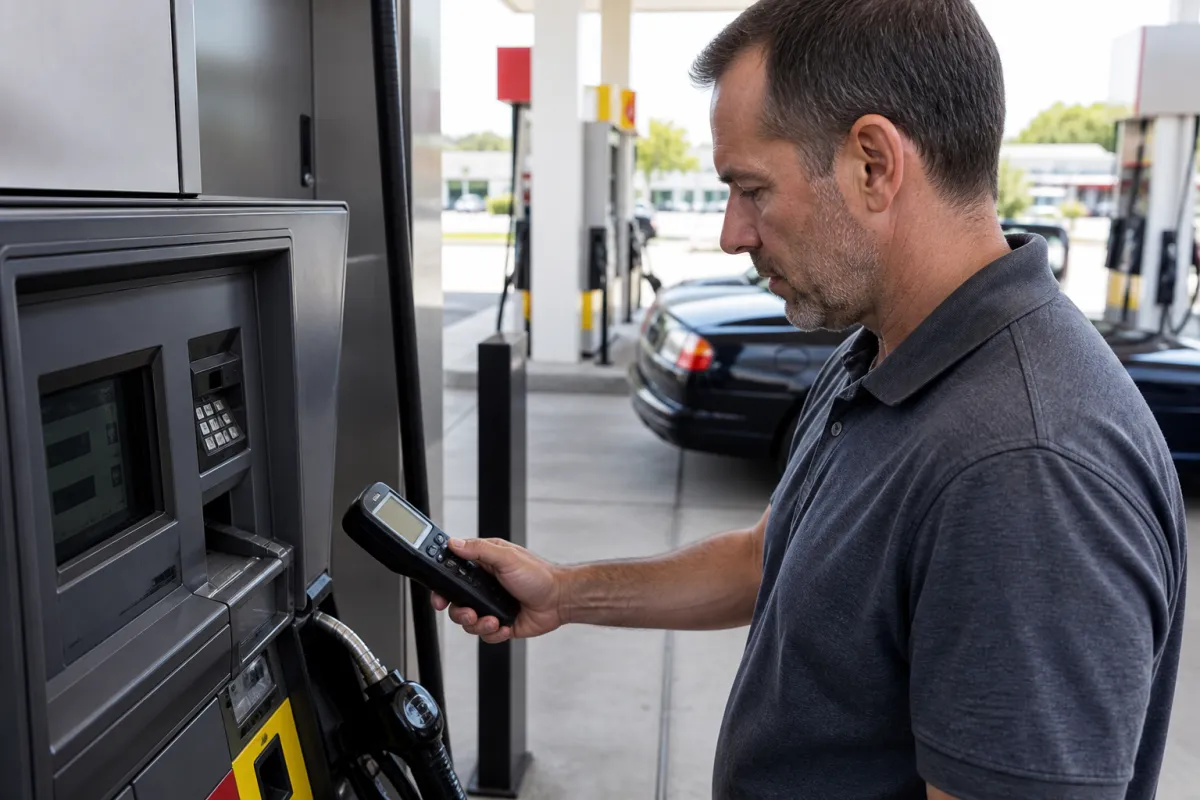 Credit card skimmer detectorDiscover effective credit card skimmer detectors to protect your finances from fraud. Learn how to choose the right tool for your needs.Dark Web Credit Card: What You Should KnowDiscover the risks of purchasing credit cards on the dark web and learn how to protect yourself from fraud and identity theft.