A resource for understanding cr…
RFID Card Cloning: Understanding the Risks
This resource is for individuals concerned about RFID security, offering insights on risks and prevention methods.
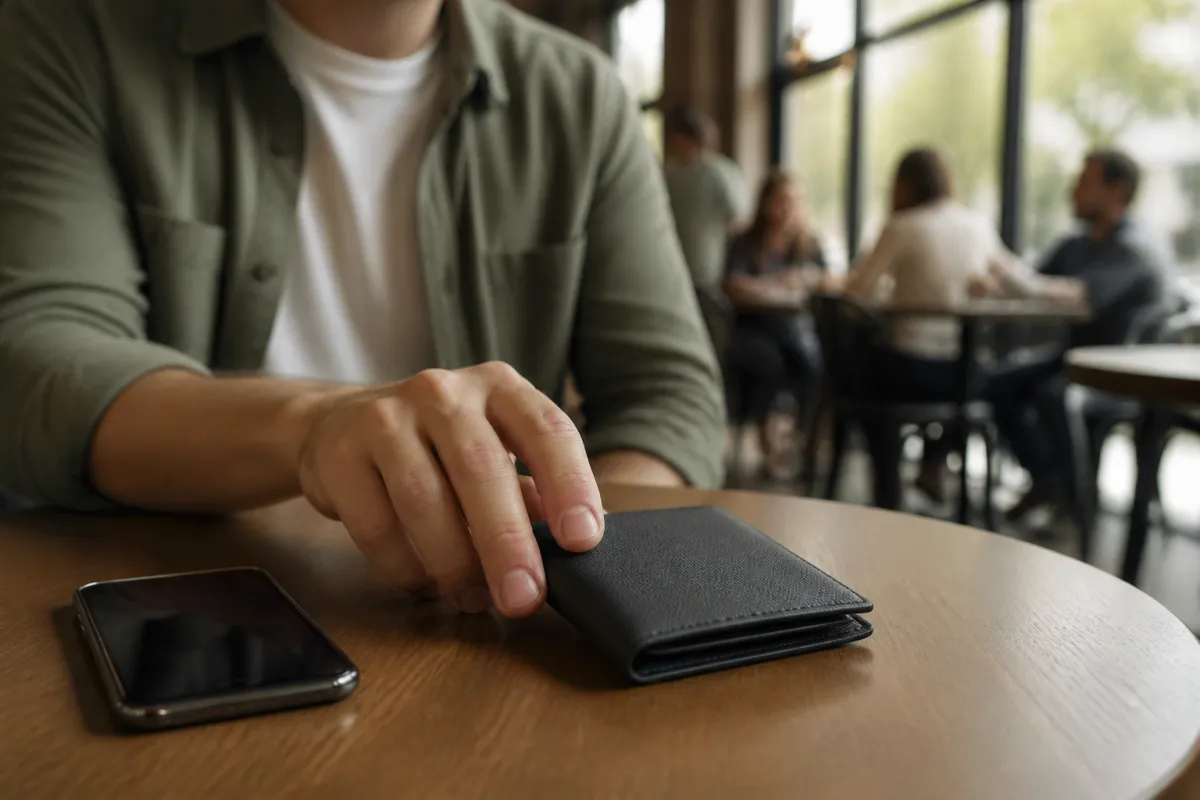
Understanding RFID security in everyday life.
Navigate
RFID card cloning poses significant risks, as 90% of counterfeit RFID tags seized in 2023 lacked genuine encryption, making them easy to duplicate (1). Cloning is illegal and can lead to criminal charges (2). To mitigate risks, using RFID-blocking sleeves is recommended (3). The first step in addressing this issue is to assess the security of RFID cards in use.
What You Gain
Understanding Cloning Risks
Learn about the vulnerabilities associated with RFID cards, including the fact that 90% of counterfeit RFID tags seized in 2023 lacked genuine encryption, making them easy to clone.
Unauthorized Access Awareness
Discover how attackers can duplicate RFID signals, enabling them to gain unauthorized access to secure areas by analysing data returned by RFID chips.
Legal Implications
Gain insight into the legal consequences of copying RFID cards without proper authorisation, which is typically considered illegal and can result in criminal charges.
Protection Strategies
Explore effective prevention methods, such as using RFID-blocking card sleeves, which can shield cards from unauthorised scans and reduce the risk of theft.
Detection Technology Insights
Understand advancements in security technology, with detection methods for RFID cloning attacks achieving an average accuracy of up to 98.7%.
Common Target Awareness
Recognise that widely used RFID cards, like MIFARE Classic 1k, are relatively inexpensive and thus common targets for cloning attacks.
RFID Card Cloning: Understanding the Risks
- Options
- Cloning RFID Tags
- Price
- Uclarify
- Timeframe
- Uclarify
- Requirements
- Access to RFID reader and blank tags
- Limitations
- Illegal without authorization
- Options
- Using RFID-blocking sleeves
- Price
- £1-£5 per sleeve
- Timeframe
- Immediate
- Requirements
- Purchase of sleeves
- Limitations
- Limited to individual cards
- Options
- Detection methods for cloning
- Price
- Uclarify
- Timeframe
- Uclarify
- Requirements
- Implementation of detection technology
- Limitations
- Accuracy may vary based on environment
- Options
- MIFARE Classic 1k cards
- Price
- £0.50-£2 per card
- Timeframe
- Uclarify
- Requirements
- Availability from suppliers
- Limitations
- Common targets for cloning attacks
- Options
- Legal consequences of cloning
- Price
- Uclarify
- Timeframe
- Uclarify
- Requirements
- Understanding of EU Directive 2019/713
- Limitations
- Criminal charges may apply
How to Understand RFID Card Cloning Risks
Identify RFID Card Vulnerabilities
Determine if the RFID card in question is susceptible to cloning. In 2023, 90% of counterfeit RFID tags seized lacked genuine encryption, making them easier targets for cloning attacks (1).
Understand Legal Implications
Recognise that copying RFID tags or cards without proper authorisation is typically illegal and can lead to criminal charges (2). Familiarise yourself with relevant laws, such as the European Union's Directive (EU) 2019/713, which establishes rules for combating fraud related to non-cash payment means (4).
Use RFID-Blocking Technology
Consider using RFID-blocking card sleeves to protect legitimate cards from unauthorized scans. This method can effectively reduce the risk of RFID theft (3).
Monitor for Cloning Attempts
Be aware of the signs of RFID cloning. The average accuracy of detection methods for RFID cloning attacks can reach up to 98.7%, indicating that advancements in security technology can help identify potential threats (5).
Stay Informed About RFID Card Types
Recognise that certain RFID cards, such as MIFARE Classic 1k, are common targets for cloning attacks due to their widespread use and relatively low cost (6).
Report Suspicious Activity
If cloning is suspected, report it to law enforcement immediately. The Consolidated Appropriations Act of 2023 includes provisions for addressing issues related to stolen benefits due to card skimming and cloning (7).
Educate Yourself on RFID Technology
Understanding how RFID technology works, including the process of cloning, can help in recognising vulnerabilities and taking preventive measures. Cloning involves reading data from a legitimate RFID tag and copying it onto a blank tag (8).
Risks, Limitations, and Guarantees
RFID card cloning poses significant risks due to the prevalence of counterfeit tags without genuine encryption; in 2023, 90% of these tags seized by law enforcement fell into this category, making them easy targets for duplication (1). Cloning involves reading data from a legitimate RFID tag and copying it onto a blank tag, potentially granting unauthorized access to secure areas (9). This activity is illegal without proper authorisation and can lead to criminal charges, highlighting the necessity of understanding the legal implications (2).
Detection methods for RFID cloning attacks have an average accuracy of up to 98.7%, showcasing advancements in security technology (5). However, these methods are not infallible; they may struggle in environments with high interference or when faced with sophisticated cloning techniques. Therefore, it is crucial to assess the security measures in place for RFID cards, particularly for common targets such as MIFARE Classic 1k, which are widely used and relatively inexpensive (6).
To mitigate risks, employing RFID-blocking card sleeves is advisable, as these can effectively shield cards from unauthorised scans (3). In the event of card skimming or cloning, provisions under the Consolidated Appropriations Act of 2023 allow for the replacement of stolen EBT benefits, underlining the importance of knowing how to address potential losses (7).
Read next
 Credit card skimmer detectorDiscover effective credit card skimmer detectors to protect your finances from fraud. Learn how to choose the right tool for your needs.
 Card Skimmer on ATM: Detection TipsLearn how to detect card skimmers on ATMs with practical tips to protect your financial information from fraud.What Does a Card Skimmer Look Like? A Visual GuideDiscover what a card skimmer looks like and learn how to identify these devices to protect yourself from credit card fraud.
 Card Cloning Software Free: Is It Safe?Explore the risks and implications of using free card cloning software, including potential fraud and legal consequences.